
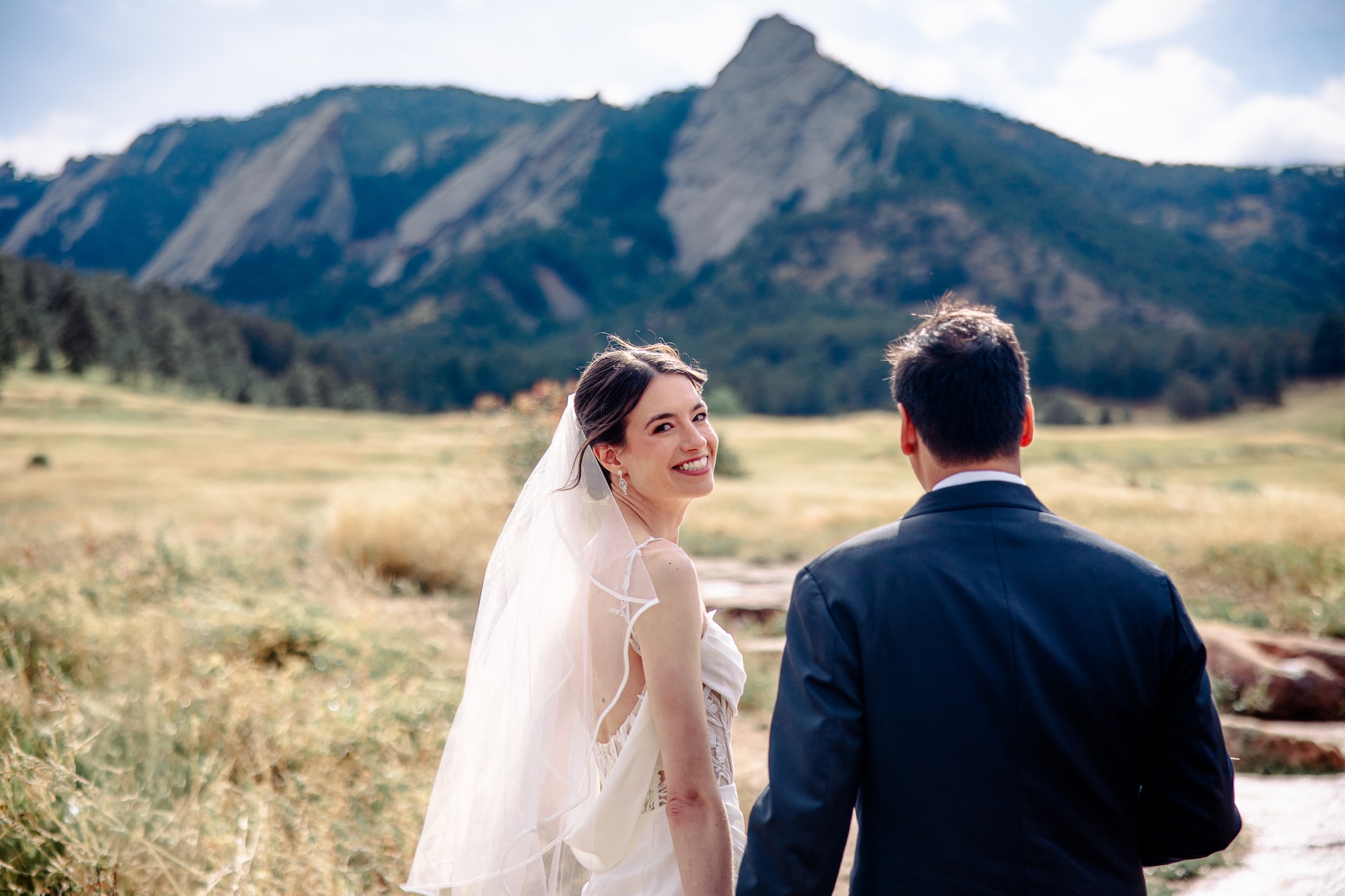
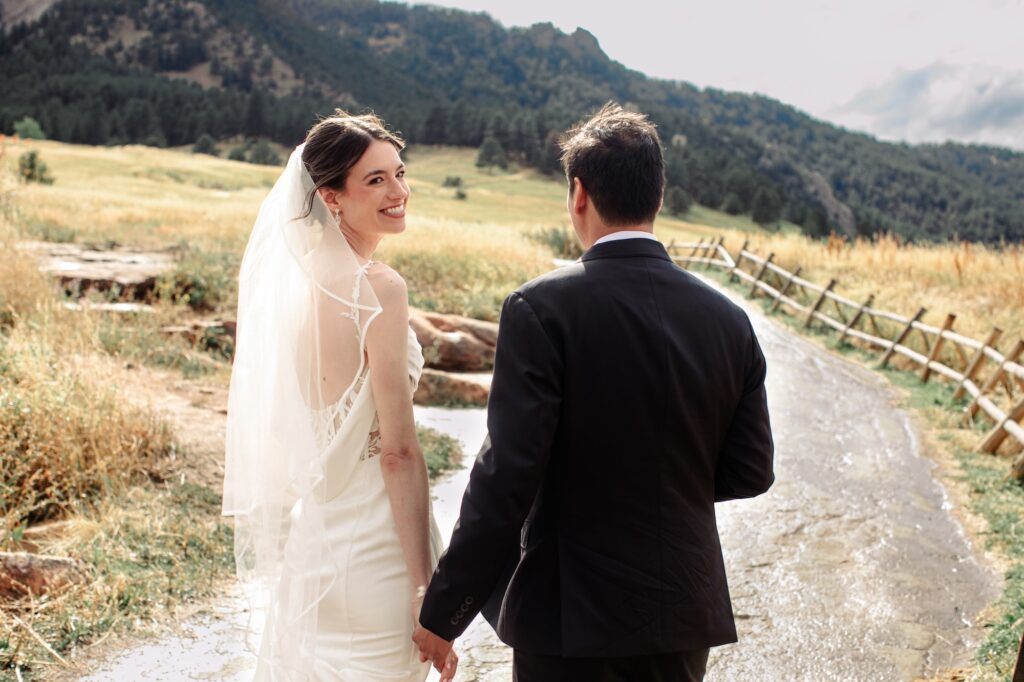
One of the most overlooked parts of wedding planning is how photography fits into the rhythm of the day.
Whether you’re planning a wedding in Boulder, Denver, Lyons, or elsewhere in Colorado, the way photography fits into the day often shapes how relaxed or rushed things feel. Many couples start planning with a ceremony time and reception venue in mind, but the in-between moments — getting ready, portraits, transitions, and buffer time — often determine whether the day feels relaxed or rushed. Small timeline decisions can have a surprisingly big impact on how much time you spend with your guests, how the day flows, and how present you feel throughout it all.
If you’re newly engaged and still figuring out when to hire a wedding photographer and what the planning process typically looks like from start to finish, I wrote a separate post that walks through that timeline in more detail. Just engaged? Here’s your Colorado wedding photography timeline from booking to wedding day.
Why Order and Buffer Time Matter More Than Exact Times
For couples, the most important part of the timeline isn’t precision — it’s buffer time.
When one part of the day runs a little late (which happens often), buffer time keeps the rest of the day from unraveling. Without it, timelines tend to jump around — squeezing photos into odd gaps, rushing through moments, or trying to “make up time” later.
A timeline with breathing room doesn’t mean the day is slow or overplanned. It simply means there’s flexibility built in so moments can unfold without pressure — and so photography fits naturally into the flow of the day rather than interrupting it.
And, when it comes to photography timelines, I’m not thinking in five-minute increments. What matters most is the order of events. Knowing what’s coming next allows me to be prepared and ready before moments unfold.
If you’re curious what this approach looks like across real wedding days, you can view examples of my work here. View the wedding portfolio.
First Looks: What They Change (and What They Don’t)
One of the biggest wedding-day timeline decisions is whether or not to do a first look.
How First Looks Help the Flow of the Day
When couples choose a first look, it usually allows:
- Couple portraits to happen earlier
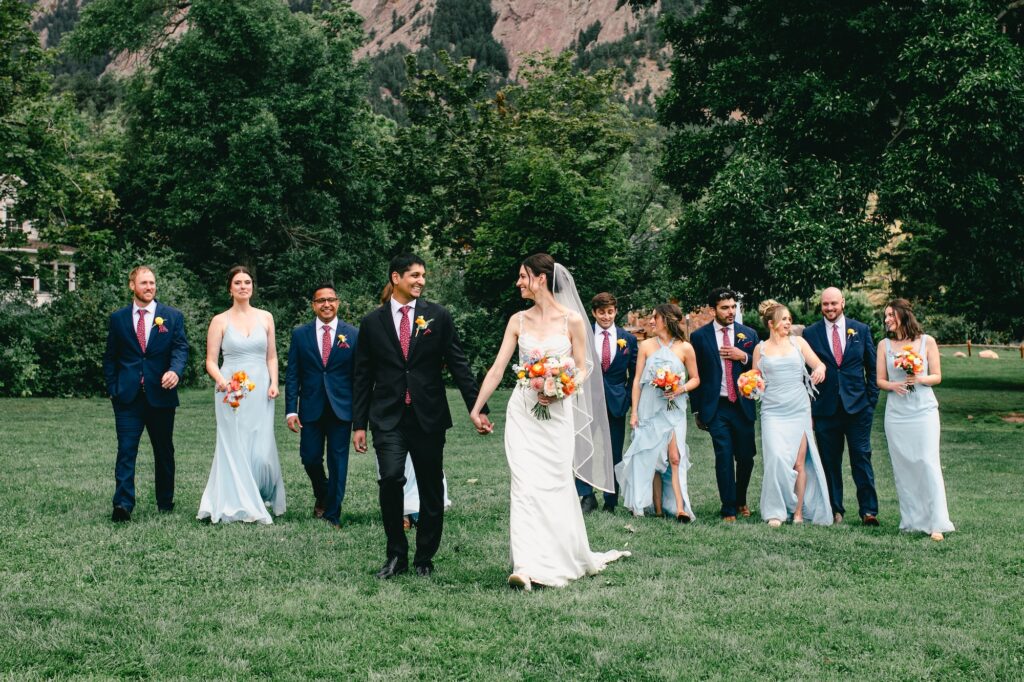
- Wedding party photos to be completed before the ceremony
- Family photos to be spread out instead of stacked
This often means more freedom later in the day — including the ability to attend all or part of cocktail hour instead of spending it entirely taking photos.
What First Looks Don’t Change
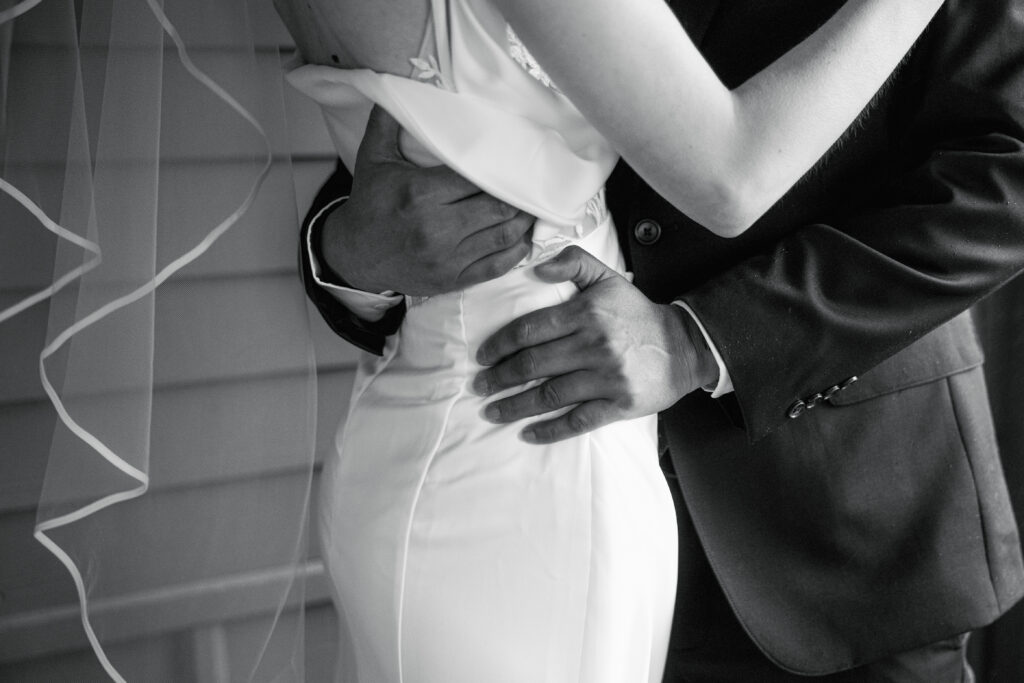
A first look doesn’t make the day less meaningful or emotional. For many couples, it actually creates a quiet moment together before the pace of the day picks up.
That said, first looks aren’t the right choice for everyone. What matters is understanding how the decision affects the rest of the timeline, not whether it’s “recommended.”
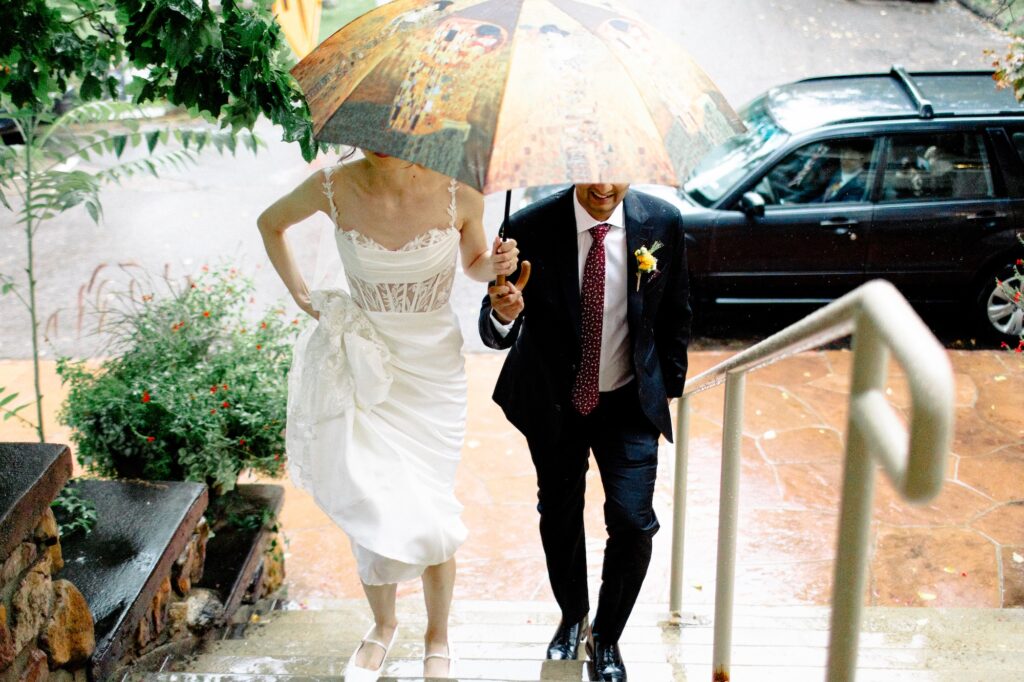
Plan for the Weather (Afternoon Showers and Thunderstorms)
Colorado weather, especially in late spring and summer (May through August), tends to operate on a pattern where showers or thunderstorms are more likely in the afternoon and evening than earlier in the day.
For couples planning outdoor portraits or sunset photos, this has two practical implications:
1. Earlier portraits can be safer.
If rain or storms are more common later in the day, scheduling wedding-party and couple portraits in the late morning or early afternoon — before the typical afternoon storm window — can give you more consistent conditions and less stress about interruptions.
2. Weather plans should be flexible.
In Colorado, afternoon showers tend to be brief and localized — a passing storm might rain for 15–30 minutes and then clear out. Building a small buffer into your timeline gives you the flexibility to pause briefly and continue without feeling rushed.
This doesn’t mean wedding days in Colorado are “rainy” by meteorological standards, but it does mean that intentionally thinking through weather patterns — especially if much of your day is outdoors — helps keep your timeline feeling relaxed and adaptive.
The Reality of Hair & Makeup Timing
Hair and makeup almost always take longer than expected. This is incredibly common — and completely normal.
The challenge comes when there isn’t buffer time built in.
If hair and makeup runs late, it can:
- Push back a planned first look
- Compress portrait time
- Create pressure to rush through moments that were meant to feel unhurried
When there’s flexibility in the timeline, small delays don’t ripple through the rest of the day. When there isn’t, everything downstream feels tighter.
Private Time After the Ceremony and Sunset Portraits
Two moments couples often underestimate when planning their timeline are private time immediately after the ceremony and sunset portraits.
Many couples appreciate a few quiet minutes together right after the ceremony. Whether it’s a brief walk, a pause away from guests, or simply catching their breath before the next part of the day, this moment can help reset the pace before portraits or cocktail hour begin.
Sunset portraits usually take 10–15 minutes, but they work best when there’s flexibility built in. If dinner service, speeches, or entrances are scheduled too tightly, couples either feel rushed stepping away or skip this time altogether — even though it often ends up being one of the most relaxed moments of the day.
When timelines allow space for these moments, they tend to feel intentional rather than disruptive. When they don’t, couples often feel pulled in multiple directions at once.
Planning for private time or sunset portraits doesn’t mean adding more to the schedule — it simply means being realistic about transitions and giving yourselves permission to step away briefly without feeling behind.
Where Wedding-Day Timelines Tend to Feel Rushed
From experience, timelines most often feel strained when:
- Travel time between locations is underestimated
- Family photos are scheduled without considering who needs to be present
- Too many things are scheduled back-to-back with no buffer
None of these are mistakes — they’re simply things that are hard to anticipate without having seen many wedding days unfold.
How I Help Couples Think Through Timeline Decisions
These are the kinds of details I help couples think through ahead of time — not to lock in a rigid schedule, but to make sure the day has room to breathe.
This includes:
- Talking through first-look trade-offs
- Planning portrait timing around light and logistics
- Building in flexibility for real-world delays
- Coordinating with planners or day-of coordinators so everyone is aligned
The goal is always the same: a wedding day that feels intentional, unhurried, and easy to be present in.
Coverage details and what’s included are outlined here, if that’s helpful as you’re planning. View wedding photography investment details.
If You’re Early in Planning
If you’re newly engaged or still finalizing vendors, you don’t need every detail figured out to start thinking about timeline flow.
Early conversations can actually make planning easier — helping you prioritize what matters most and avoid unnecessary pressure later on. Photography fits into the day in a way that touches almost every moment, which is why it’s helpful to think through these decisions sooner rather than later.
Next Steps
If you’re planning your wedding and want help thinking through what will best support your day, you’re welcome to reach out.
Inquire about wedding photography availability
Or, if you’d like wedding planning insight from me delivered to your email:










+ Comments